
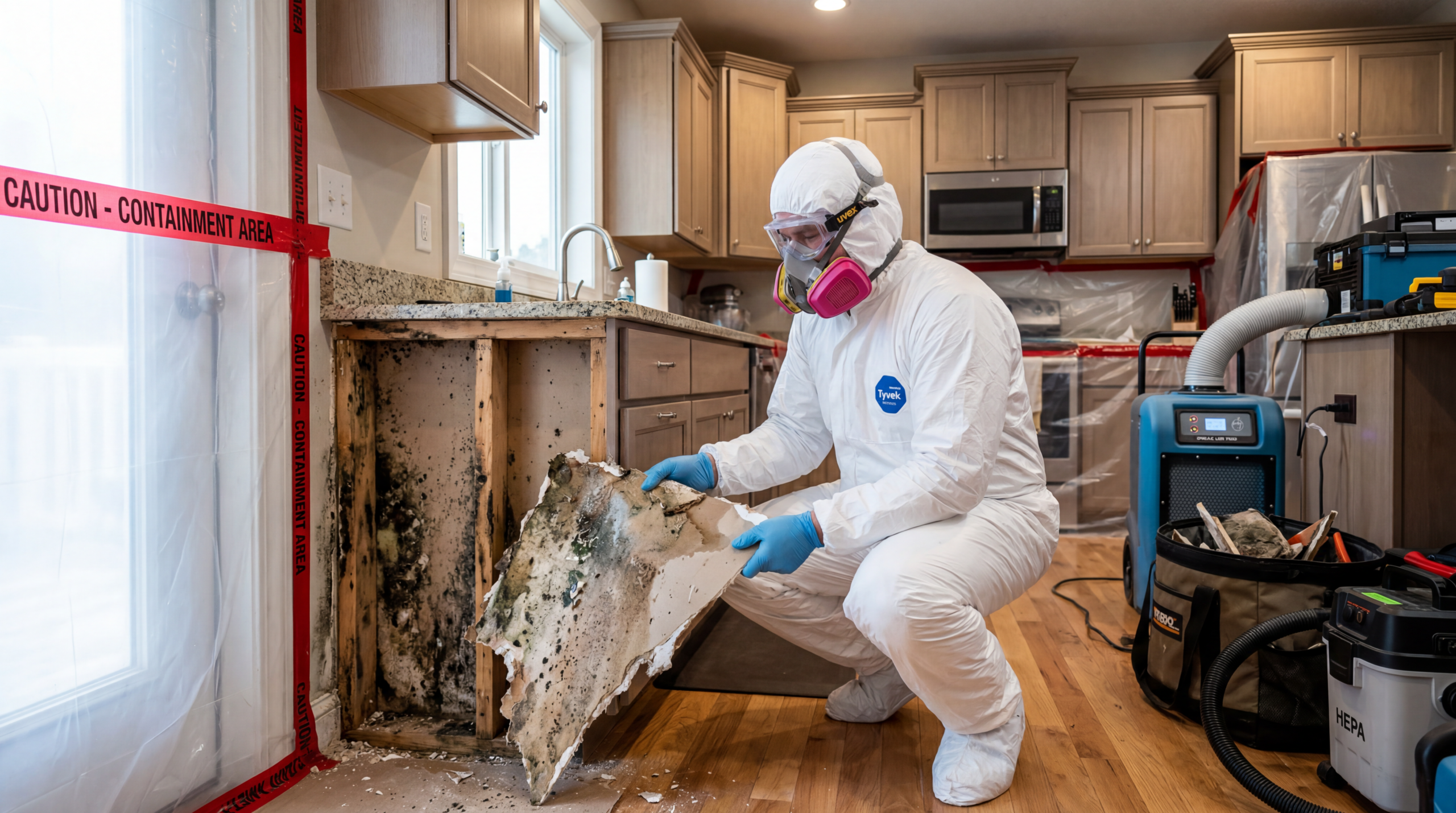
Finding mold in your home is stressful enough. Then you start calling around and realize the hard part is figuring out who to actually trust. Some of these companies are excellent. Some will take your money, do the bare minimum, and leave you with the same problem six months later.
I’ve completed more than 10,000 assessments across New York, and a lot of those were me walking into a home to redo work that never should have passed the first time. So I know exactly what a good company looks like, and I know all the ways a bad one hides. Here’s how to tell them apart before you hand anyone a check.
Start with local. It matters more than you think
If you take one thing from this article, make it this: hire local. And I don’t mean local just so you can leave a Google review down the street. I mean it because mold is never only about what’s growing on the wall. It’s about the whole building and the ground it sits on.
A contractor who works in your area knows the building materials inside these homes and the conditions outside them: the soil grade, the foundation, the water table, the roofing. All of that drives where moisture comes from and where it’s going to come back. Someone from another state is used to a different climate, different moisture levels, and different building materials. When they remediate the mold and replace materials, they’re working off assumptions that don’t match your house. A local who understands how New York homes are built, and how water actually moves through this soil, isn’t guessing.
It shows up in the repair just as much as the diagnosis. A lot of New York’s older homes are built with plaster and lath, not modern sheetrock, and the two don’t come out or go back the same way. A crew that mostly works on newer construction in another climate will treat your plaster wall like drywall, and you end up with a patch that doesn’t hold. Knowing the materials in front of you, inside the walls and outside on the structure, is the difference between fixing the problem and burying it for a few months.
I’ve walked into too many homes where an out-of-area crew treated the surface, replaced some drywall, and left. Three months later the mold is back, because nobody understood why the moisture was there in the first place. The grade, the water table, the roof: those were the answer the whole time, and you only catch them if you know the area.
The red flags that should make you walk away
Most homeowners can spot a bad contractor if they know what to look for. The trouble is, the warning signs aren’t always loud. Here’s the side-by-side I’d hand a member of my own family.
Red flags vs. green flags
| Walk away if… | Good sign when… |
|---|---|
| They’re from out of the area and don’t know your building type or local conditions. | They’re local and can talk about your soil, foundation, roof, and water table. |
| They only treat the mold they can see and never look deeper. | They inspect under floodlights and check for growth well beyond the visible black mold. |
| The crew seems untrained or different every visit. | A trained, consistent crew that knows the protocol. |
| The quote is suspiciously low, with pressure to sign today. | An itemized written estimate and no rush to commit. |
| They can’t tell you what’s causing the moisture. | They identify the source and explain how they’ll fix it. |
The biggest corner cheap companies cut
If I had to name the single most common shortcut, it’s this: they do the minimum, they don’t resolve the source, and the mold comes right back. That’s not bad luck. That’s a job that was never finished.
Why does it keep happening? Usually it’s the company doing the least amount of work it can get away with. They pull off the visible mold, skip the part where you find and fix what’s feeding it, and move on. Real remediation means tracing the moisture back to its source and correcting it, whether that’s the roof, a grading problem, a hidden leak, or humidity nobody’s managing in a basement. Skip that step and you’re just buying yourself a few quiet months before it comes back in the same spot.
The crew matters as much as the company name
Here’s a question almost nobody thinks to ask: who is actually going to be in your home doing the work? In my experience, the biggest reason a remediation fails isn’t a bad company on paper. It’s staffing. When a crew isn’t trained specifically for mold work, they fall back on what they know, and what they know is to clean what they can see.
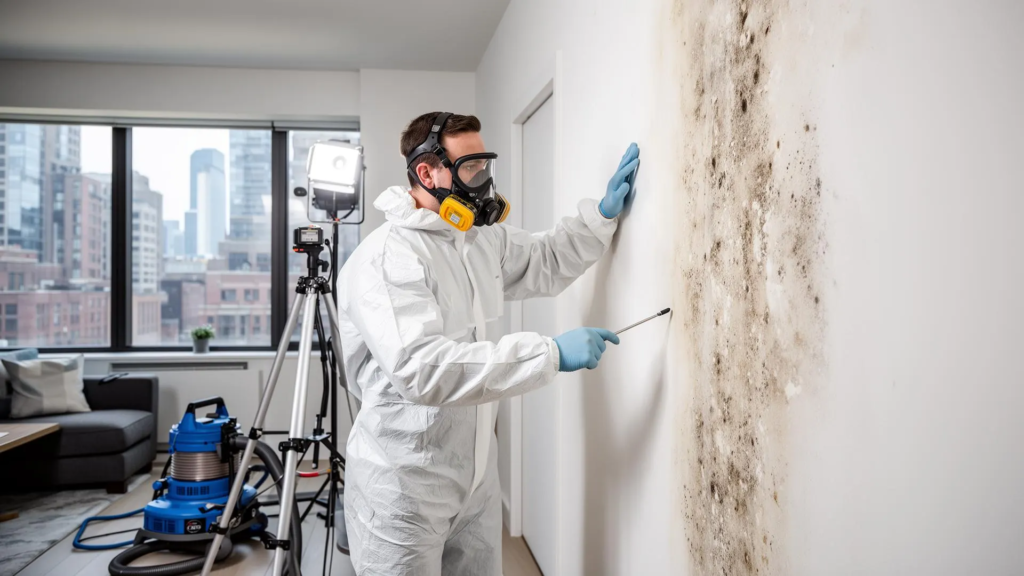
A trained crew works differently. They bring floodlights and go over the area slowly, because mold doesn’t stop politely at the edge of the black patch you noticed. It runs behind it and past it, into spots you’ll never catch under normal light. An untrained crew skips that entirely, packs up, and leaves the rest of the growth sitting in your wall. That’s exactly why I tell people to ask references about the managers and the people who actually showed up, not just the company. You’re hiring the crew, not the logo on the truck.
Almost every time I’ve been called in to redo someone else’s work, it traces back to the same thing. The last crew wasn’t trained to look past the obvious. No floodlights, no checking the areas out of sight, no follow-through on the source. The mold was never really gone. It was just out of view until it grew back and the homeowner was paying twice.
Watch out for the lowball-and-upsell trap
Here’s a move I see constantly. A company quotes a number that’s lower than everyone else’s, just to win the job. They show up, drop a few blowers and dehumidifiers, charge you a small amount to start, and then the invoice starts climbing. By the time it’s over, you’ve paid as much or more than the honest quote you turned down, and the work still isn’t right.
The lowball trap vs. an honest estimate
| The lowball trap | An honest estimate |
|---|---|
| A price well under every other bid to hook you. | A price in line with the real scope of the work. |
| Vague “we’ll see when we get in there” terms. | A written, itemized scope you can hold them to. |
| Equipment dropped off, then the invoice keeps growing. | Clear pricing up front, with surprises explained before they’re billed. |
| The final bill bears no resemblance to the quote. | The final bill matches the estimate, give or take what was disclosed. |
The cheapest quote is almost never the cheapest job. It’s just the cheapest quote.
Check the license, and ask how long they’ve held it
In New York, mold work isn’t optional to license. Under the state’s mold law (Article 32), any job of 10 square feet or more has to involve two separate licensed companies: a licensed assessor who inspects and writes the work plan, and a separate licensed remediator who does the removal. One company can’t do both on the same job. That separation exists to protect you, so the company doing the work isn’t also the one grading it.
But don’t stop at “are you licensed.” Ask how long they’ve held it. New York started licensing mold contractors back in 2016, so the companies that have carried a license since the early days have years of regulated, accountable work behind them. A brand-new license isn’t a dealbreaker, but longevity tells you someone has been doing this the right way for a while. You can verify any license directly through the New York State Department of Labor before you hire.
Get three quotes, and actually call the references
Always talk to at least three contractors. Three quotes tell you what the real range is, and they make the lowball and the overcharge both stand out. Then ask each one for references, and here’s the part most people skip: actually call them. A list of names you never dial does nothing for you.
This isn’t just my opinion. The EPA’s guidance for homeowners says the same thing: before you hire, make sure the contractor has real experience cleaning up mold, and check their references.
When you get someone on the phone, ask real questions. This is what I’d want a reference to tell me.
What to ask when you call a reference
| Ask the past client | Why it tells you something |
|---|---|
| What was the scope of work? | Confirms the company handles jobs like yours, not just one type. |
| Was it a small, medium, or large job? | Tells you whether they’ve proven themselves at your size of project. |
| How long did it take? | Reveals whether they work efficiently or drag jobs out. |
| Was the crew clean and professional? | Cleanliness and respect for your home say a lot about the operation. |
| How were the managers and the crew to deal with? | You’re hiring people, not just a company name. This is who shows up. |
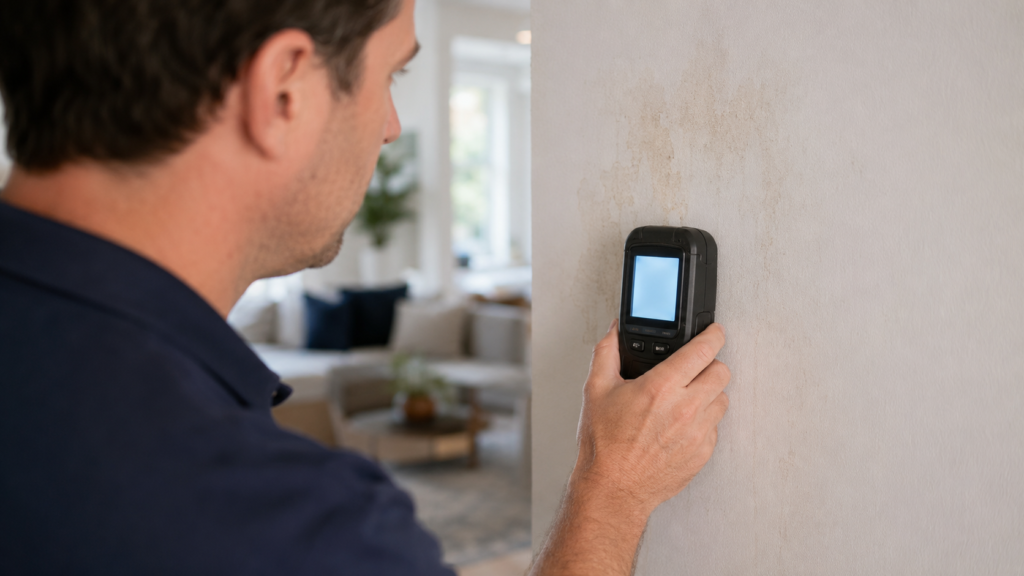
The questions to ask before you hire
You don’t need to be an expert to vet one. You just need to ask a few pointed questions and listen for the difference between a real answer and a dodge.
Questions to ask, and how to read the answer
| Ask | A good answer sounds like | A bad answer sounds like |
|---|---|---|
| Are you local, and do you know homes like mine? | Specifics about your area’s building materials, soil, and water issues. | “Mold is mold, it’s all the same.” |
| How do you find mold beyond what’s visible? | Floodlights, moisture meters, and inspecting past the obvious growth. | “We treat what we can see.” |
| What’s causing the moisture, and how will you fix the source? | They name the likely source and explain the repair. | They only talk about removing the mold. |
| How long have you held your NY mold license? | A clear answer, often going back years. | They get cagey or can’t say. |
| Can I call three recent references? | “Absolutely,” and they hand them over. | Reluctance, excuses, or none to give. |
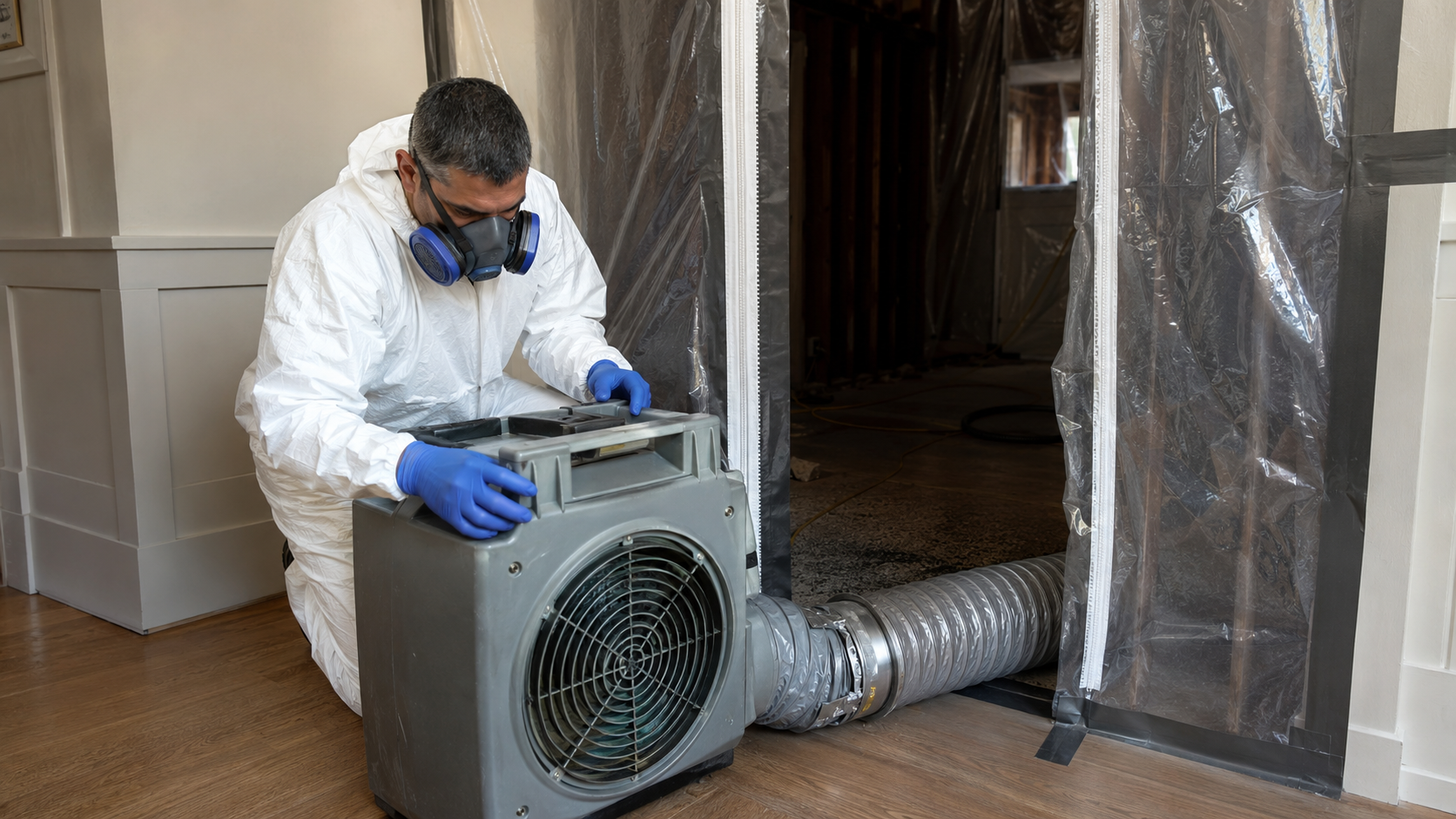
What a trustworthy job actually looks like
So you can measure any company against it, here’s the path a proper New York mold job follows from start to finish:
1. An independent assessment
A licensed assessor inspects the home and writes a work plan that spells out exactly what needs to happen. In New York, this has to be a separate company from the one doing the removal.
2. A real inspection, not a glance
That means floodlights, moisture readings, and checking past the visible mold to find everything, including the source of the water.
3. Containment and remediation
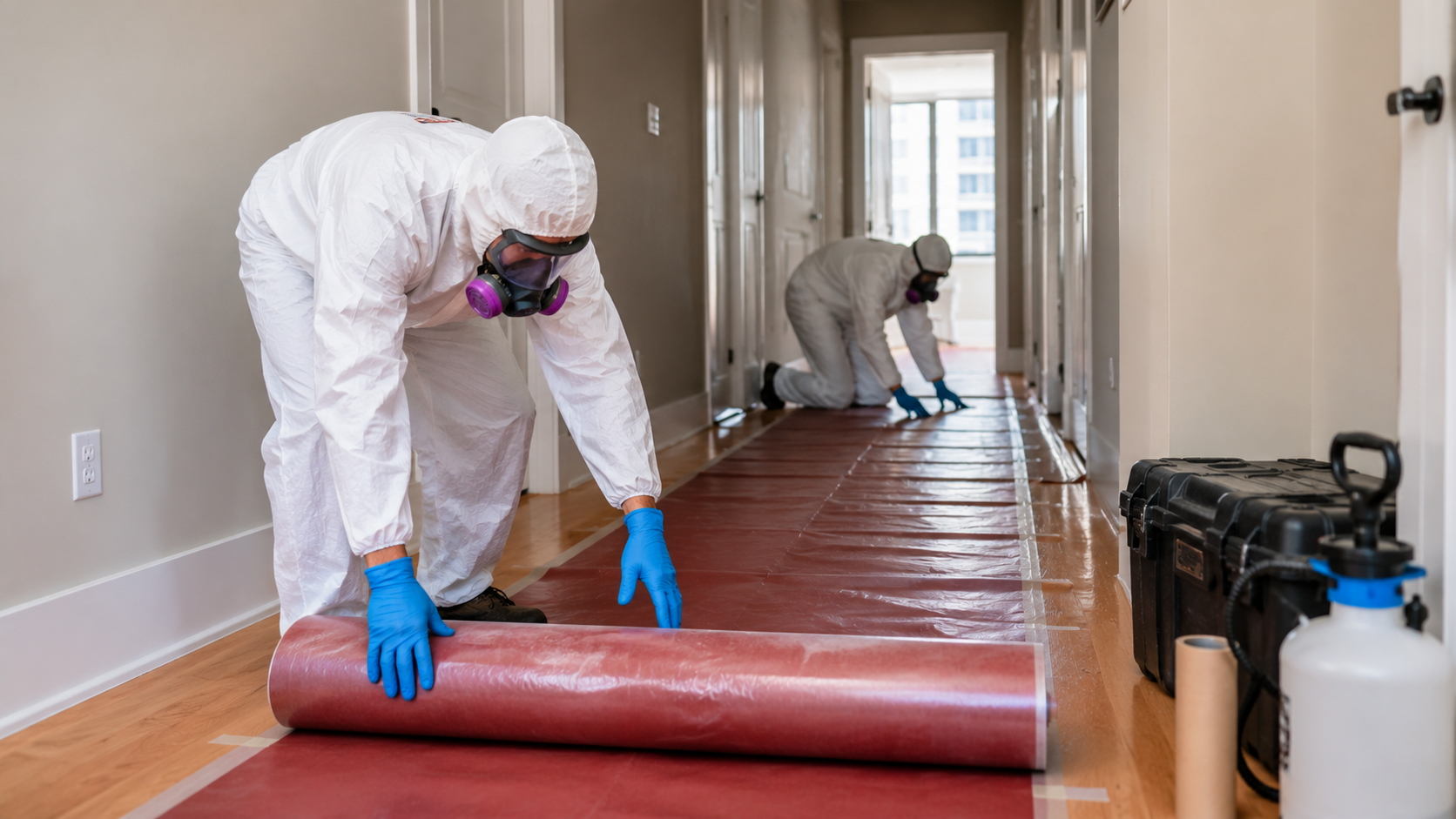
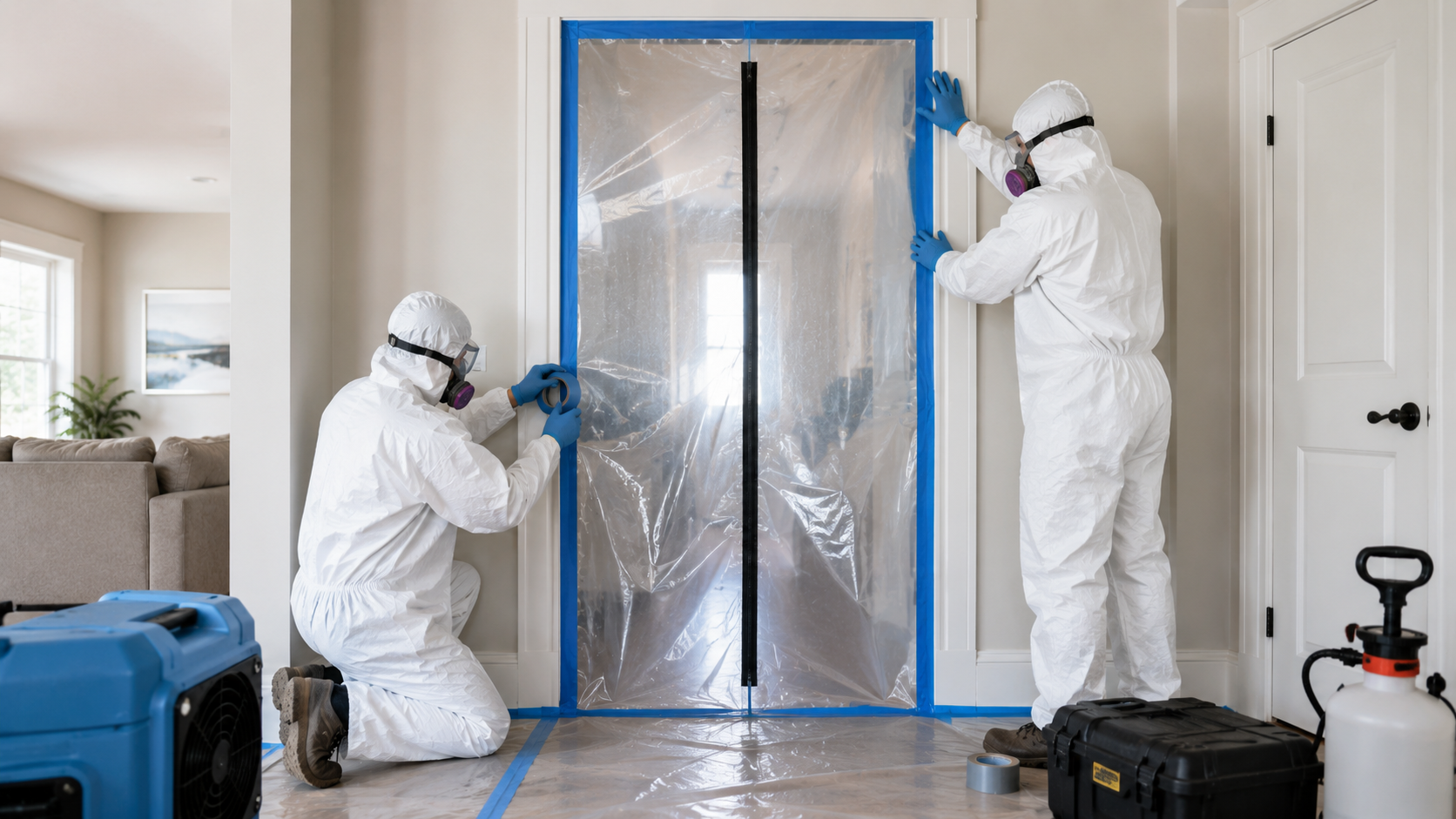
Proper barriers and air control so spores don’t spread, then removal done to the plan, with the moisture problem corrected so it doesn’t return.
4. An independent clearance test
A separate test confirms the work passed. The company that did the job doesn’t get to be the one who says it’s clean.
Who you’re actually hiring
I didn’t come into this from the cleanup side. I started out at a building inspection company working on sprinkler and fire systems, which meant I spent years learning how buildings are put together, where water travels, and how the systems inside a structure fail. That’s exactly why I read a mold problem the way I do. I’m hunting for the source, not just treating the stain.
Since then I’ve completed more than 10,000 assessments, I hold an IICRC mold remediation contractor’s license, and I have real estate experience on top of it, so I understand what mold means when you’re trying to sell, buy, or rent in New York. And because I’ve been called in so many times to fix other companies’ failed work, I know precisely where the shortcuts hide.
Frequently asked questions
How do I check if a New York mold license is real?
You can verify any mold assessment or remediation license through the New York State Department of Labor before you hire. A legitimate contractor will give you their license details without hesitation.
Why can’t one company do both the inspection and the removal?
New York’s Article 32 mold law requires a separate licensed assessor and remediator on jobs of 10 square feet or more. It keeps the company doing the work from grading its own results, which protects you.
How many quotes should I get?
At least three. Three quotes show you the real price range and make both the lowball and the overcharge easy to spot.
What’s the single biggest sign of a bad mold company?
They don’t deal with the source of the moisture. If a contractor only talks about removing what you can see and never about why it grew, the mold is coming back.

Get an honest assessment
If you want a straight answer from someone who has done this more than 10,000 times across New York City and Surrounding areas, we will be happy to take a look. we inspect properly, find the source, and tell you exactly what the job needs. No pressure, no lowball, no surprise invoice.