
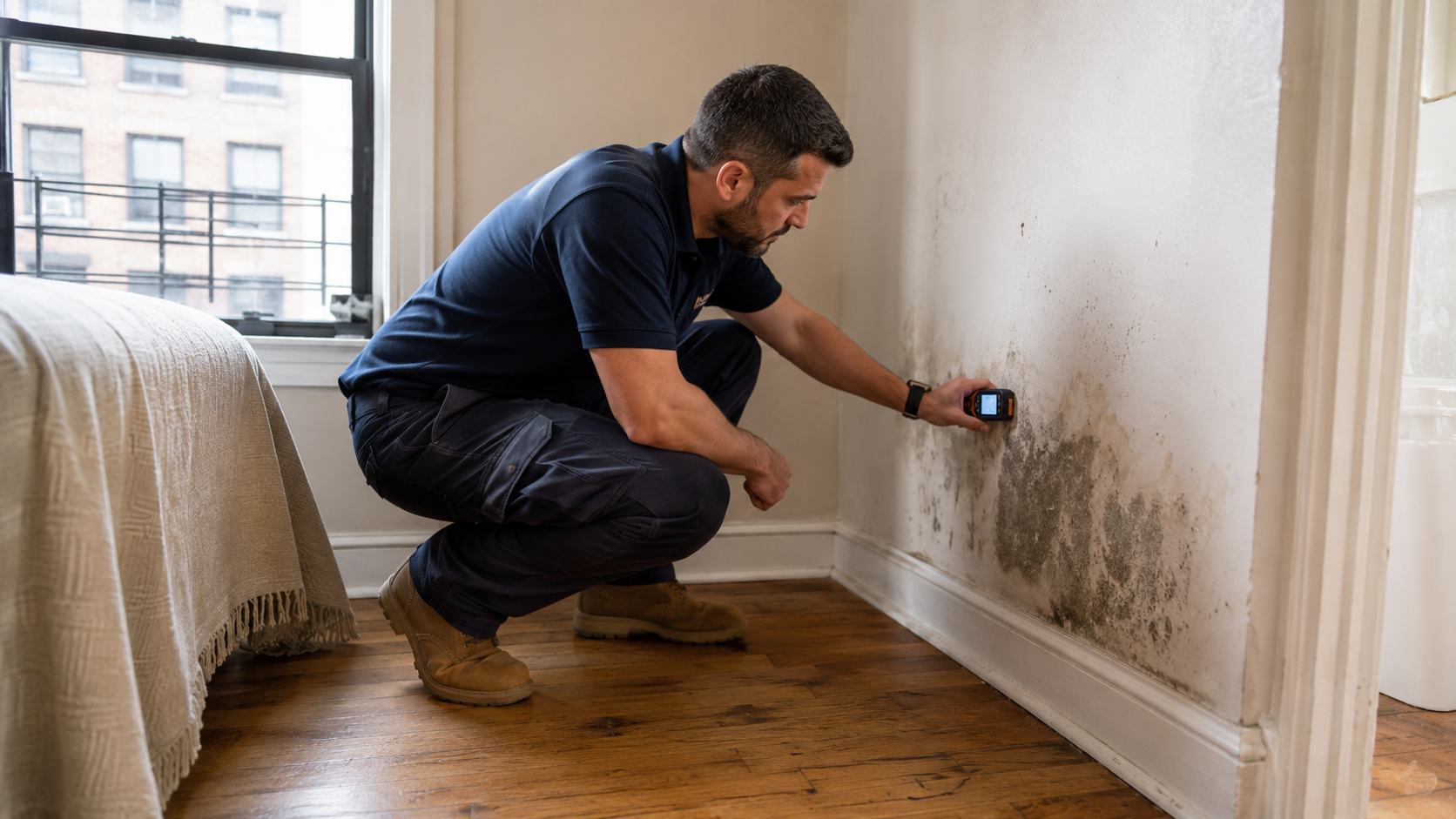
Everyone wants a fair price for mold remediation, but almost nobody knows what “fair” actually looks like, because the price of a mold job isn’t a sticker on a shelf. It’s built from a dozen things happening on your specific property, most of which you can’t see from the doorway. After more than 10,000 assessments in New York, I can tell you that two jobs that look identical can be priced thousands of dollars apart, sometimes for reasons that are completely legitimate, and sometimes for reasons that aren’t. This post is about telling the difference, and negotiating a number that’s genuinely fair to both sides.
What a fair price really means
A fair mold remediation price reflects the real work your property demands: how hard it is to get in and move around, what materials have to come out and how heavy they are, how much documentation your insurer requires, and how much liability the site carries. Understand those drivers and you can spot padding, negotiate the parts that flex, and stop overpaying for the parts that don’t.
Why two identical-looking mold jobs get different prices
Most of a mold remediation bill is labor and time. Materials, disposal, containment, and equipment matter, but the biggest number on the invoice is almost always the hours it takes to do the job safely. That’s the key to understanding fairness: anything that adds real labor, real time, or real risk adds cost, and that cost is legitimate. Anything that adds to the price without adding any of those three is padding.
The problem is that homeowners judge a quote by the one thing they can see, the size of the moldy patch, while the contractor is pricing a long list of things they can’t. So a small area of mold in a difficult, heavily regulated, or hard-to-reach spot can honestly cost more than a larger patch in an empty, easy room. Once you know what those hidden drivers are, a confusing quote starts to make sense, and you can tell in about thirty seconds whether a price is reasonable.
The cost drivers most homeowners never see
Here are the four things I’m actually weighing when I price a job. None of them show up in the square footage of the mold, and all of them are the difference between a fair number and an inflated one.
Getting in, and moving around
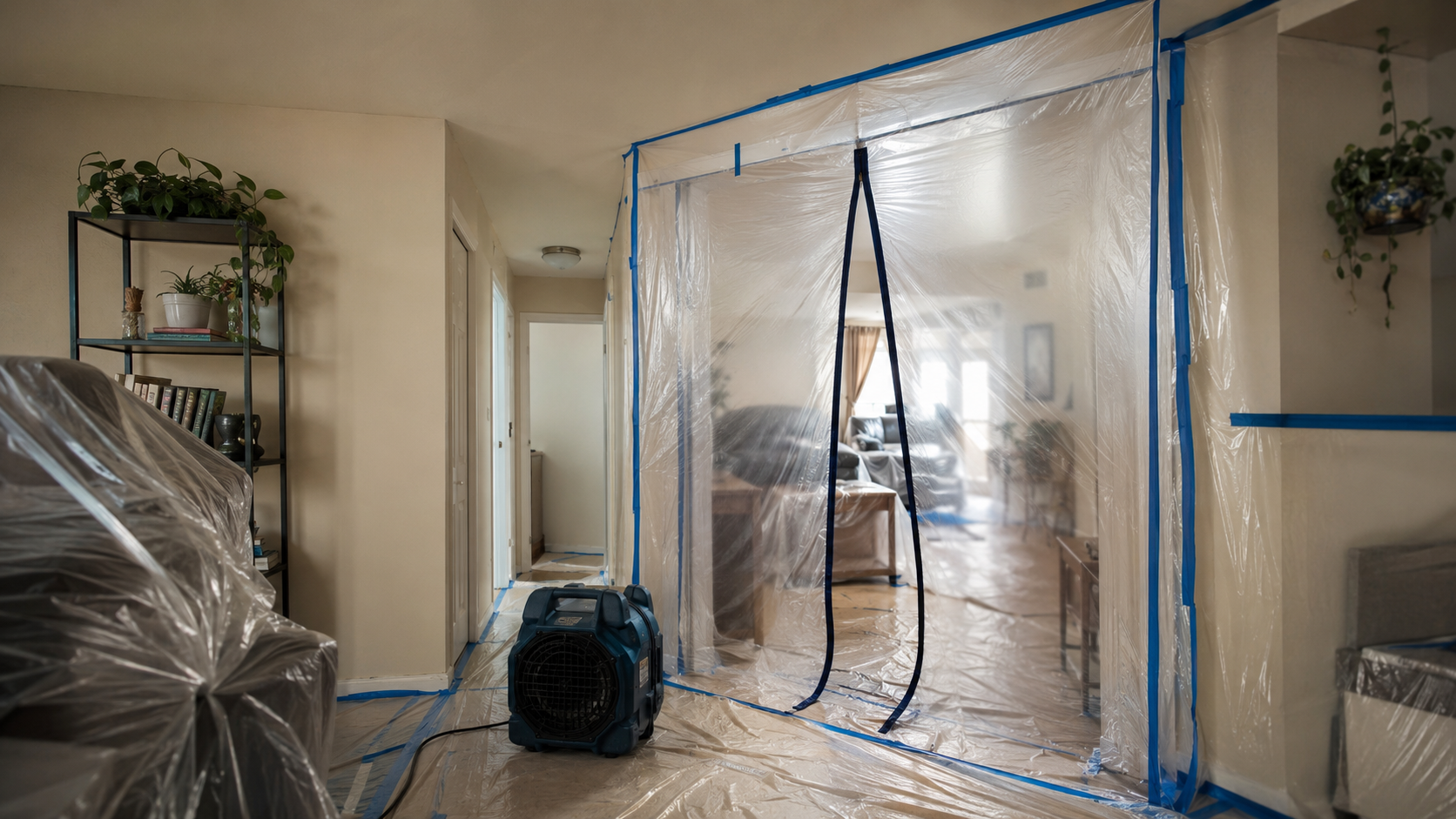
Access is one of the first things I think about, and one of the biggest. Is it a fourth-floor walk-up or is there an elevator? Are there stairs to carry heavy, contaminated debris down? Are there dogs, are there kids, are there rooms we’ve been told to stay out of? A job where we can back up to a ground-floor door and work in an empty space is fast. A job where we’re protecting a lived-in home, laying plastic down every hallway, and building walk-through barriers to keep the work contained is slower, and slower means more labor.
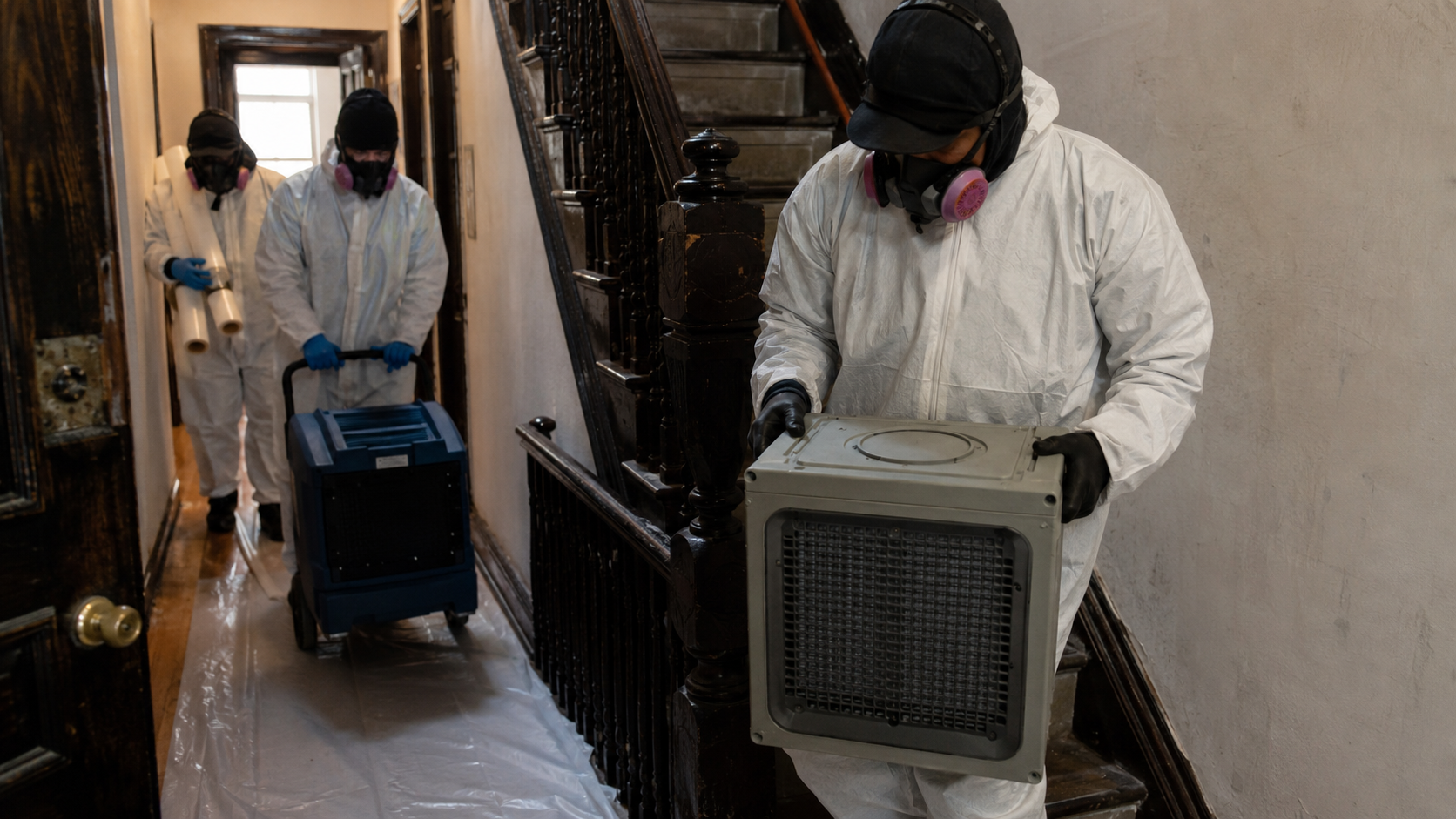
From Dry Ease Mold Removal
Before I ever quote a job, I’m thinking about how we get in and how we move through the place. Elevator or walk-up. Dogs, kids, rooms we can’t touch. Whether we need to build walk-through barriers and lay plastic down every hallway to protect your home and keep the spores contained.
None of that shows up in the size of the moldy area, but all of it is real time and real labor. It’s a big part of what separates a fair price from a guess.
What has to come out, and how heavy it is
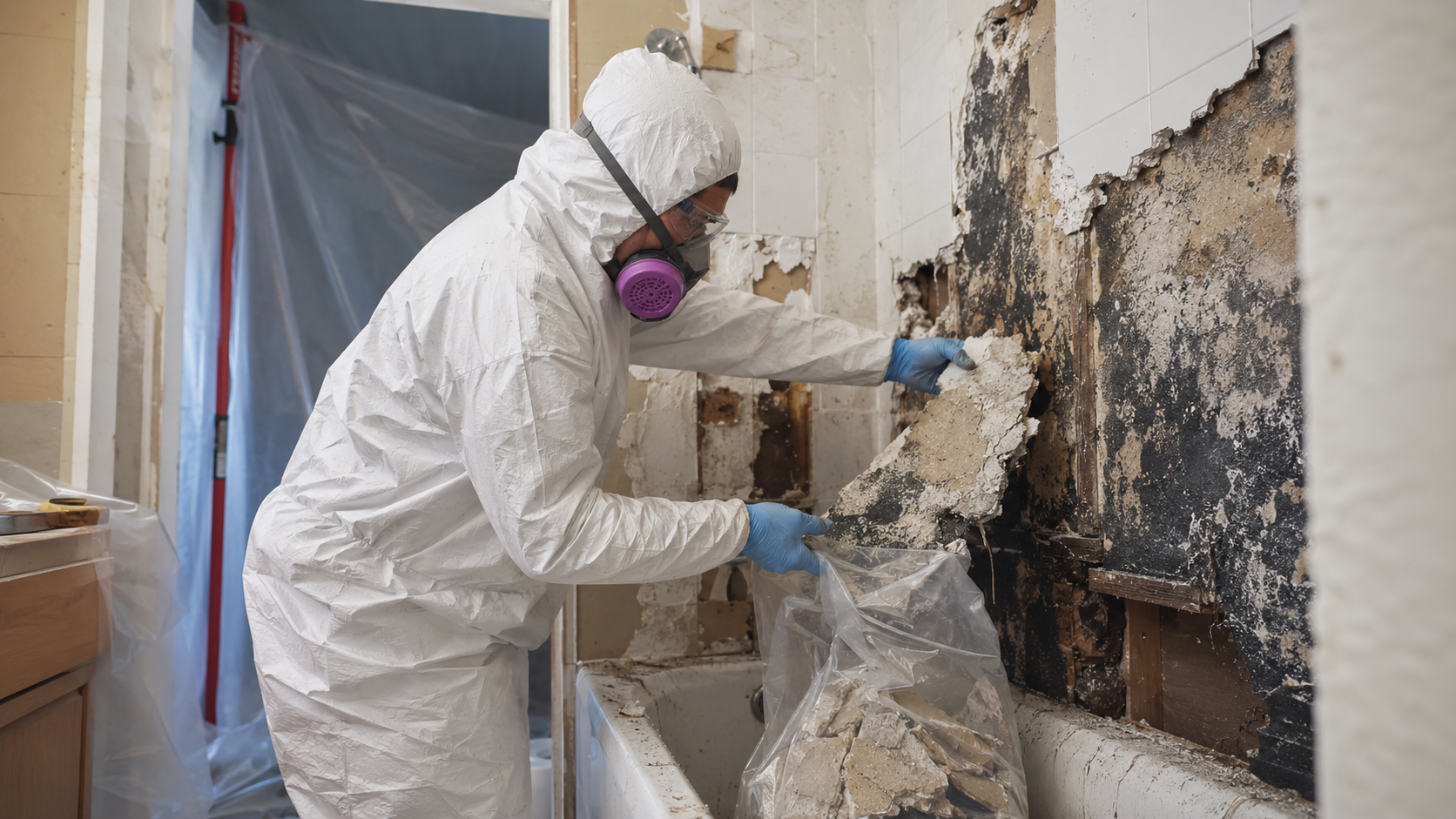
The material itself is a huge factor, and not just how much of it, but what kind. Pulling down sheetrock is one thing. Plaster, tile, and water-soaked insulation are heavier, they take longer to remove, and they’re harder to bag, carry, and dispose of. Weight turns directly into labor hours, and labor is most of your bill. This is why a plaster-and-tile bathroom can cost more to remediate than a larger drywall job. It isn’t padding. It’s the physical reality of the work.
From Dry Ease Mold Removal
Weight matters more than people expect. Sheetrock, insulation, plaster, tile: they don’t come out the same. The heavier the material, the longer it takes to remove and haul, and the more the job costs.
So if a quote for a plaster-and-tile room is higher than your neighbor’s drywall job, that’s usually not someone padding the number. That’s physics.
The paperwork your insurer demands
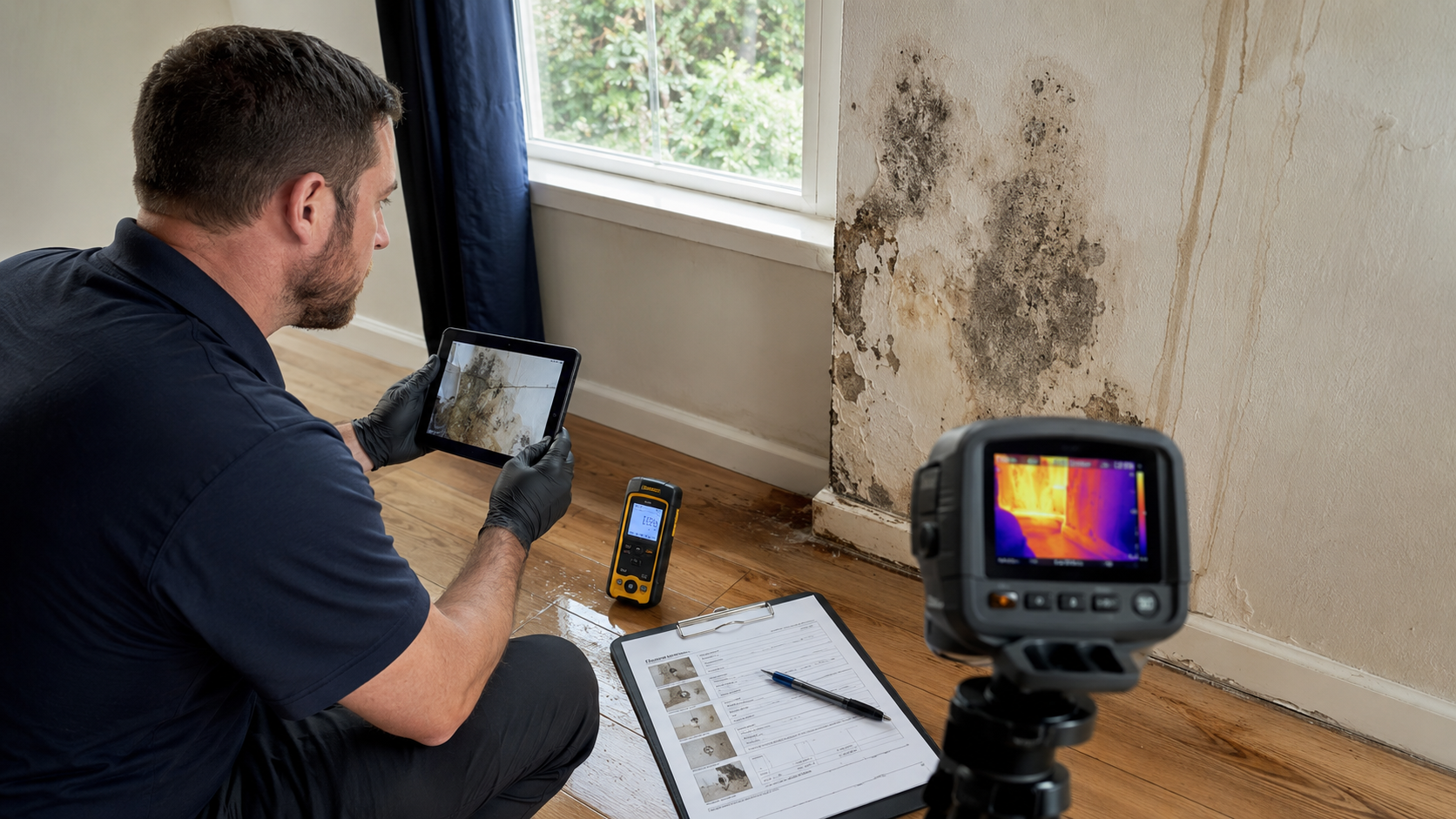
Documentation is a cost almost nobody budgets for. If your insurance company wants a detailed scope of work, producing that detail takes time, and time is money. On some claims we’ve had to document the ounces of disinfectant used and the number of gloves, line by line, because that’s what the insurer required to pay. That paperwork protects you and it protects the claim, but it’s real administrative labor, and an honest quote will account for it.
The people and the building
This is the one that surprises people the most, and it’s where a lot of unexpected cost quietly comes from. Sometimes the mold itself is easy, but the situation around it is not.
From Dry Ease Mold Removal
I’ve walked into jobs where the mold was genuinely easy. Small area, not many belongings, a couple of hours of real work. And the price still climbed, because the client, or sometimes the building management, turned it into a much bigger situation. Extra liability, extra rules, more areas to protect, a whole administrative process layered on top.
When that happens, my entire team has to slow down and treat the site with more caution. Not because the mold is worse, but because the building and the paperwork made it riskier. Sometimes it’s a dispute between residents and management that puts everyone on edge, and that raises the liability too. That’s a real cost, and a straight contractor will tell you exactly where it’s coming from instead of hiding it in the total.
Put those four together and you can read almost any quote. Here’s the quick version of what pushes a fair price up, and what keeps it down.
| Pushes the price up | Keeps the price down |
|---|---|
| Hard access: walk-ups, stairs, tight or shared spaces | Easy ground-floor access we can work straight from |
| Occupied home with pets, kids, and no-go rooms | Empty, unoccupied work area |
| Heavy materials: plaster, tile, soaked insulation | Light materials like drywall, small footprint |
| Detailed documentation demands from the insurer | Simple paperwork or a straightforward out-of-pocket job |
| Barriers and floor protection across the whole property | A single contained room |
| Liability from building rules or resident and management conflict | A cooperative site with clear, simple access |
How building material drives labor and cost
Heavier materials take longer to remove, carry, and dispose of. Labor is most of your bill, so material type moves the price more than almost anything else.
What’s negotiable, and what genuinely isn’t
Yes, you can negotiate a mold remediation price. But the trick is knowing which parts have room to move and which parts don’t, because pushing on the wrong ones either gets you nowhere or, worse, gets you a cheaper job that cuts a corner you’ll pay for later. Here’s how I’d split it.
| Usually negotiable | Genuinely fixed |
|---|---|
| Scheduling and timing, especially in a slower season | Safety containment and protective equipment |
| Whether some materials are restored instead of replaced | Proper disposal of heavy, contaminated debris |
| Bundling water damage and mold into one job | Documentation your insurer requires to pay |
| A reasonable payment schedule | The labor the real site conditions demand |
| Add-ons you didn’t ask for and don’t need | Fixing the moisture source so it doesn’t return |
The pattern is simple. You can negotiate timing, scope choices, and how the work is packaged. You can’t negotiate away the safety, the disposal, the paperwork, or the hours that a job honestly takes. A contractor who lets you talk them out of containment or source repair isn’t giving you a deal. They’re setting you up for a repeat.

How to spot a fair quote versus a padded one
The single most useful thing you can ask for is an itemized quote. A fair estimate breaks the job into parts, and every part has a reason you can trace back to the property: access, materials, containment, disposal, documentation, and the source repair. A padded quote hides everything inside one big number, or it lists charges that don’t match what your job actually needs.
When you read a quote, ask the contractor to walk you through what’s driving each line. Fair costs always have a clear “because.” Because it’s a third-floor walk-up. Because that’s plaster, not drywall. Because your insurer wants the full scope documented. If the answer to “why does this cost this much” is vague, or the contractor gets defensive, that’s your signal. And if a quote comes in far below everyone else’s, that’s not a win either. It usually means something real got left out, and you’ll meet it later as a change order or a second job when the mold comes back. Even the EPA’s guidance for homeowners recommends confirming a contractor has real experience cleaning up mold before you hire, which is worth doing no matter how good the price looks.
How to negotiate a fair price, step by step
You don’t need to be an expert to negotiate well. You need three quotes, a little knowledge of the drivers above, and the discipline not to let panic make the decision for you. Here’s the playbook I’d give a friend.
| Move | Why it works |
|---|---|
| Get three itemized quotes | Reveals the real price range and exposes padding instantly. |
| Ask what’s driving each line | Fair costs have a clear reason; padding doesn’t. |
| Slow the urgency down | Panic is the enemy of leverage. A day to think rarely makes mold worse, but it makes you a better negotiator. |
| Bundle water and mold together | One mobilization and one containment setup instead of two. |
| Get the final scope in writing | Locks the price to the actual work and prevents surprise add-ons. |
The smartest thing you can do before you ever start negotiating is understand what’s driving the number. When you can say to a contractor, “walk me through the access, the materials, and the documentation on this,” you’ve told them you know how the job is priced. That alone changes the conversation, because now they’re quoting someone who can tell fair from inflated, and most will sharpen the pencil on their own.
One more thing on leverage: watch the urgency trap. Mold is a real problem and you shouldn’t sit on it, but a contractor who insists you sign today or implies your house is a crisis is often removing your ability to compare. Real emergencies exist. Manufactured ones are a pricing tactic.
For contractors: how to price fairly and defend it
Fair pricing runs both ways. If you’re on the contractor side, the way you protect your margin and your reputation at the same time is transparency. Price the real drivers, then show them. When your estimate reflects the access, the material weight, the disposal, the documentation, and the liability of the actual site, you can defend every number in it, because every number has a reason.
The jobs that go sideways are the ones where the price and the explanation don’t match. If a small, easy remediation ends up carrying real cost because the building or the management turned it into a slow, high-liability situation, say so, plainly, in writing. Clients don’t resent paying for what’s real. They resent being surprised. An itemized scope that ties each cost to a condition on their property is the cheapest trust you’ll ever buy, and it’s what keeps you from racing a lowball competitor to the bottom.
Fix the water first: the bundle that saves money
Mold and water damage almost always travel together, because mold is what grows after a moisture problem nobody solved. That’s why the single best value move on many jobs is handling the water source and the mold as one project. You pay for one setup, one containment, and one crew mobilization instead of two, and just as importantly, you fix the reason the mold appeared so you’re not paying to remediate the same spot next year.
When you’re negotiating, this is a real lever. Ask whether the water repair and the remediation can be bundled, and what that saves versus doing them separately. Done right, it lowers the total and it makes the result last, which is the whole point of paying for it in the first place.
Who you’re getting this from
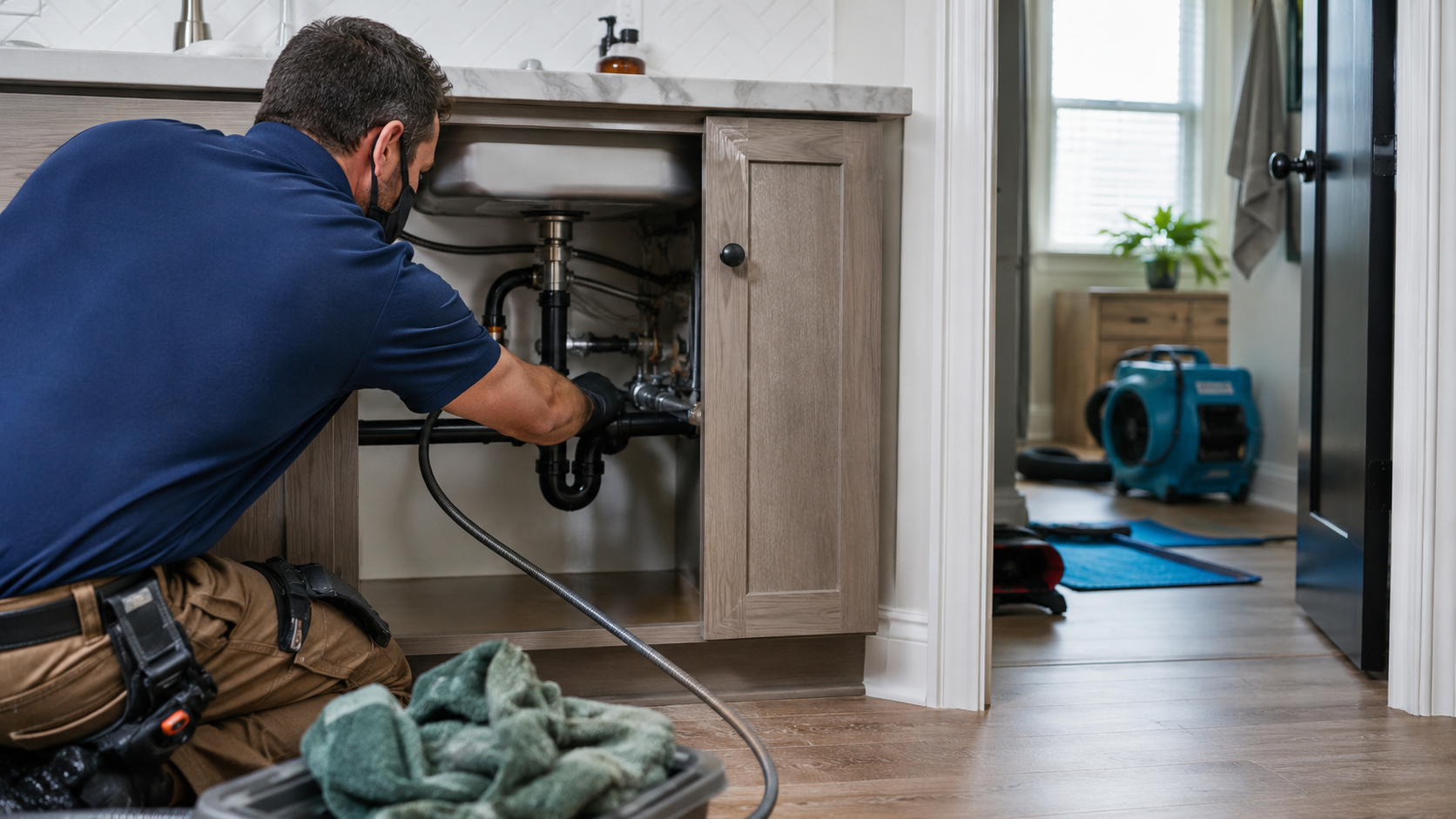
I’ve spent years reading mold and moisture the way a building reads it, first through inspection and building systems work, and then across more than 10,000 assessments in New York City, from Brooklyn to the Bronx. I’ve priced easy jobs and brutal ones, I’ve been called in to redo work that was quoted too cheap to be done right, and I’ve sat across from homeowners who were about to overpay and shown them why. That’s the perspective behind everything above. Whether it’s mold removal in Brooklyn, mold remediation in the Bronx, or a job anywhere else in New York City, the approach doesn’t change: find the source, price it to the real conditions, and put every line in writing.
Frequently asked questions
Can you really negotiate mold remediation prices?
Yes, within limits. Timing, scope choices, bundling, and payment terms usually have room to move. Safety containment, proper disposal, insurer-required documentation, and fixing the moisture source do not, and you don’t want them to.
Why is my quote higher than my neighbor’s for the same size area?
Almost always it’s access, materials, paperwork, or liability. A third-floor walk-up, a plaster-and-tile room, a demanding insurance claim, or a high-liability building all add real labor that a same-size drywall job in an empty room doesn’t.
How many quotes should I get?
At least three, and insist they’re itemized. Three itemized quotes show you the real range and make both the lowball and the padded bid easy to spot.
Does my mold contractor have to be licensed in New York?
Yes. For any job of 10 square feet or more, New York requires licensed mold companies, with a separate licensed assessor and remediator. You can verify any license through the New York State Department of Labor before you hire, which is one of the simplest ways to avoid getting taken.
Does bundling water damage and mold actually save money?
Often, yes. One mobilization and one containment setup instead of two, plus you fix the moisture source that caused the mold, so you’re less likely to pay for it twice.
Where does Dry Ease work, and how does a job start?
We handle mold removal and mold remediation across New York City, including Brooklyn and the Bronx. Every job should start with the assessment first: a proper mold inspection and mold testing in NYC to pinpoint the moisture source before any removal begins. Get that step right and the remediation is faster, cleaner, and priced fairly.

Get a fair, itemized number
Want a mold remediation quote you can actually understand, with every cost tied to a real condition on your property? Dry Ease Mold Removal gives free, no-pressure estimates for mold removal and remediation across New York City, including Brooklyn and the Bronx, and we’ll walk you through exactly what’s driving the price.