


When water enters a building, it often stays inside walls, floors, and framing long after the surface dries. Materials like drywall, wood, and concrete can hold moisture deep inside. Structural drying removes that hidden water so your property can return to a usable condition. Many property owners contact us for structural drying services when they realize the surface cleanup wasn’t enough.
New York City buildings are close together, have shared walls, and include many older structures, so water can move farther than expected. We use steady, proven methods to lower moisture to a safe range. Our team explains each step in simple terms, so you know what’s happening inside your property.
Why Fast Structural Drying Matters After Water Damage
Water spreads quickly through a building. Even a slow leak can push moisture into places you can’t see. If that moisture sits too long, it can cause damage structural issues that become expensive to fix.
We work to dry your building as soon as possible. Quick drying helps stop the problem from growing, reduces delays with repairs, and protects both homes and multi-unit properties in New York City.
How Professional Structural Drying Works
The first step is finding out how far the water traveled. We check the area, measure moisture levels, and look at the materials involved. This helps us choose the right drying setup for your building.
After the inspection, we set a drying target based on safe moisture levels for those materials and the limits of your schedule. Our goal is to bring the area into an acceptable range in a reasonable amount of time. If the leak or flood damage is recent, drying usually moves faster because the materials have not fully absorbed the water.
Tools We Use for Drying
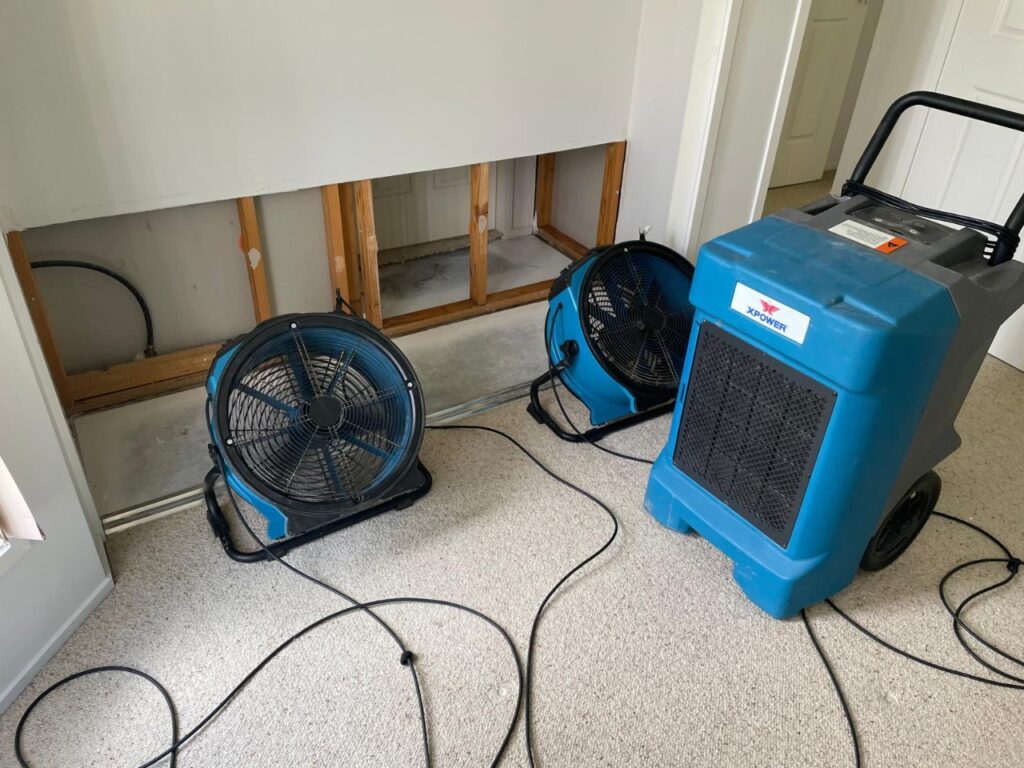
We use equipment designed to pull moisture out of building materials, such as:
- LGR dehumidifiers
- Desiccant dehumidifiers
- Thermal energy drying systems
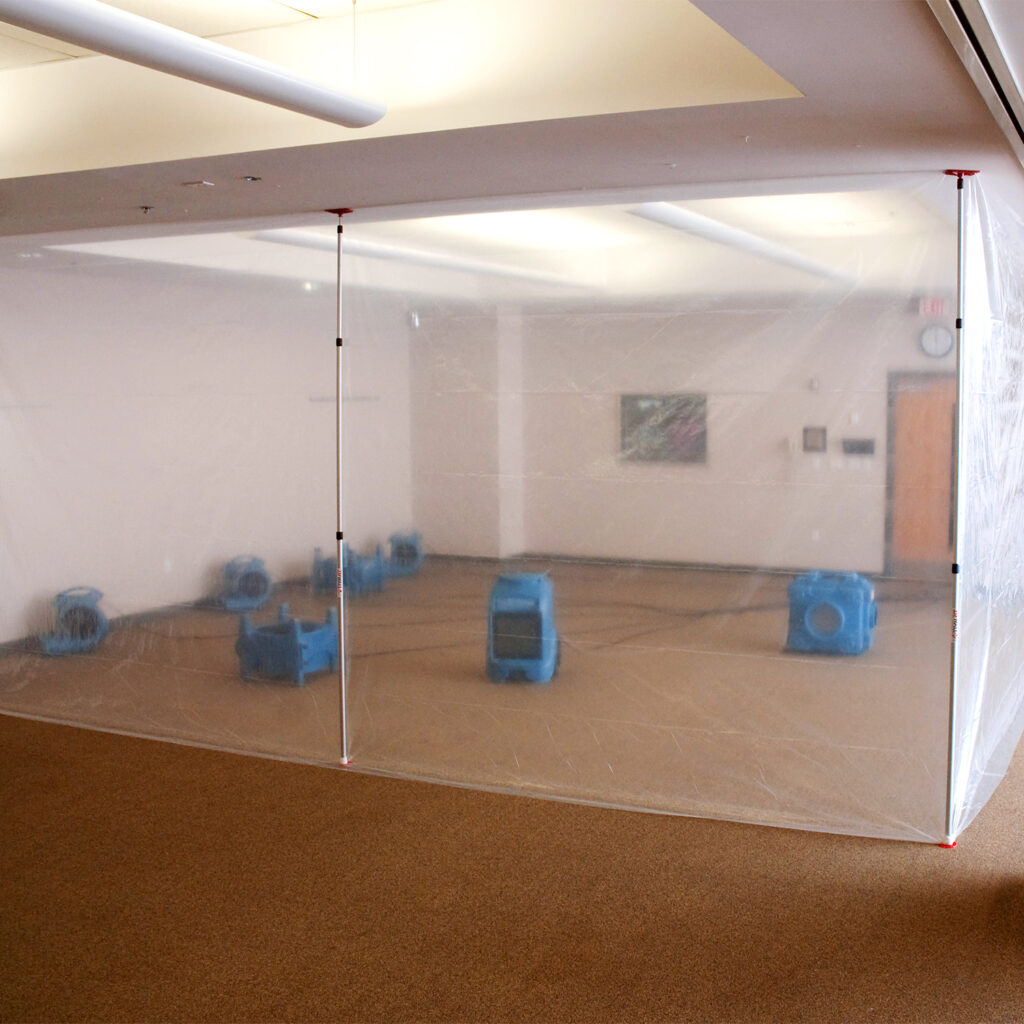
- Negative and positive pressure systems
These tools help remove moisture from drywall, dimensional lumber, and concrete. We may also use more advanced structural setups when water spreads into harder-to-reach areas.
What Structural Drying Prevents
Moisture that stays inside a structure can weaken walls, lead to soft spots, and spread into new areas. Drying the building early helps stop these issues and keeps repair work straightforward.
Proper drying limits the chance of mold forming, keeps materials from breaking down, and helps you avoid larger repairs. For landlords and property owners in New York City, this also reduces disruptions and tenant complaints.
Signs You May Need Structural Drying
Some clues appear slowly, and it’s easy to miss them at first. You may need structural drying if you notice:
- A musty smell that doesn’t fade
- Peeling or bubbling paint
- Walls that stay damp or discolored
- Floors that feel uneven or start to lift
- Doors that suddenly stick
- A recent leak, plumbing issue, or flood
Hidden moisture can move into nearby rooms or floors. We can check the area and show you what needs attention.
Structural Drying for NYC Residential & Commercial Properties
Different buildings need different solutions. We adjust our drying work based on the layout and construction of your property.
For Property Owners & Landlords
In multi-unit buildings, water can travel between floors and shared walls. Quick drying helps limit downtime, protects units, and keeps repair timelines on track.
For Homeowners
If a kitchen pipe bursts or a bathroom leak spreads through a wall, drying helps protect your home from further issues. We inspect the area, remove trapped moisture, and explain what the structure needs next.
Why Choose Our Structural Drying Services in New York City
When water affects your building, you need a team familiar with local construction and common NYC water issues. We respond quickly, communicate clearly, and focus on steady, practical solutions. While every situation is different, we follow industry standards shaped by training such as Applied Structural Drying (ASD) certification and use simple explanations so you always understand the work being done.
We use reliable tools and keep the process simple for you. Our team explains what we find without technical jargon and helps you understand what comes next. When needed, we can pair drying with cleanup structural support to help stabilize the building.
Our Structural Drying Process
We follow a clear, simple process so you always know what’s happening inside your building.
- Water Removal – We extract standing water so the structure can begin to dry.
- Moisture Inspection – We take readings and check the materials to see how far the water spread.
- Drying Plan – We set moisture goals that fit your building and your schedule.
- Equipment Setup – We place dehumidifiers, air movers, or pressure systems where needed.
- Daily Monitoring – We track moisture changes and adjust the setup to keep drying on track.
- Final Check – We confirm the materials have reached a stable moisture range and explain the next steps.
Common Causes of Structural Moisture in NYC Buildings
Water enters buildings in many ways. In New York City, some common causes include:
- Burst or leaking pipes
- Basement or ground-level flooding
- Roof or window leaks
- HVAC or appliance problems
- Water moving between floors
- Stormwater reaching the structure
Even small issues can push moisture into places that aren’t easy to see.
How Structural Drying Protects Your Property
The first step is finding out how far the water traveled. We check the area, measure moisture levels, and look at the materials involved. This helps us choose the right drying setup for your building. We also look at basic moisture-management strategies to make sure the drying plan fits the way your property holds and releases moisture.
Our goal is to leave the area dry enough for safe repairs and future use. When water issues spread, we can combine the work with water damage restoration to stabilize the affected rooms.
When You Need More Than Drying
Some situations call for more than drying alone. If water has been sitting for a long time, parts of the building may need cleaning or deeper restoration. We explain what we find so you know what the structure needs next.
We also provide water cleanup and flood restoration services. If moisture has created secondary problems, such as surface growth or damp areas behind walls, we can coordinate mold removal service and start the next steps safely.
Service Areas
We provide structural drying and water damage services across:
- Manhattan
- Brooklyn
- Queens
- The Bronx
- Long Island
- New Jersey
We’re familiar with the building styles across these areas and choose the drying method that fits your property.
Get Help With Structural Drying in New York City
If water has reached your walls, floors, or framing, we’re here to help. We can inspect the area, explain what we find, and set up a drying plan that fits your property. Contact us today to schedule an inspection and protect your building from further damage.
Frequently Asked Questions
What does structural drying actually mean?
Structural drying means lowering moisture inside building materials using a planned process and equipment, which is the core of any structural drying service. It focuses on removing hidden water from walls, framing, and other parts of the structure.
How does applied structural drying work?
Applied structural drying works by checking moisture, setting a target, and using equipment to remove water from the structure, which forms the basis of a full applied structural drying process.
How can I tell if water damage is inside my walls or structure?
You can often spot structural moisture when walls stay damp, floors lift, or musty odors remain, which are common signs in many structural moisture inspection guides.
How long does it take for a leak to cause damage?
A leak can start causing damage as soon as moisture becomes trapped in the materials, which is why most water damage prevention tips suggest checking the area right away.


