Mold Inspection Queens
Professional Mold Inspection & Indoor
Air Quality Testing
Get an accurate, independent, and fully documented mold assessment for residential and commercial buildings.
Using advanced moisture detection and lab-analyzed samples, our certified professionals locate hidden mold and provide a clear, straightforward report with practical recommendations.
The Hidden Mold Risk in Queens Properties
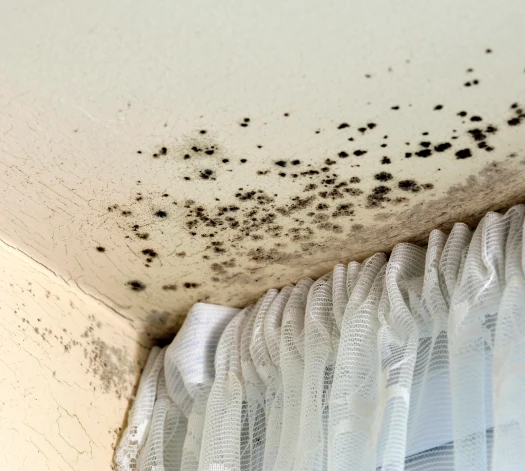
Mold is rarely obvious until it’s already a serious problem. You might catch a musty smell that won’t go away, no matter how much you clean. You might notice a small patch of discoloration on a wall that keeps coming back. Or there may be no obvious signs at all — just a nagging concern because your family keeps experiencing allergic reactions or respiratory symptoms indoors.
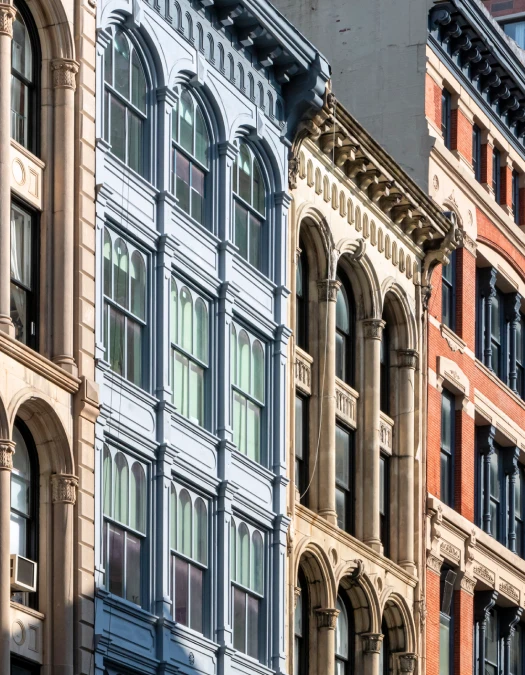
Properties in Queens are especially vulnerable. The borough’s mix of aging attached homes, co-ops, and below-grade basement apartments creates unique moisture risks, such as leaking pipes and shared walls that trap humidity undetected for months. Once spores take hold inside walls or under flooring, they spread steadily. Without a professional mold inspection, it is impossible to know the true extent of the damage.
Gain Clarity with Professional
Mold Inspection in Queens
At Dry Ease Mold Removal, we turn uncertainty into a clear, actionable picture of your property’s condition. Our mold inspection and testing service uncovers the full extent of any mold problems, providing a detailed report and recommendations to help you make an informed decision.
We are independent inspectors first. When we complete a mold inspection and testing assessment, our job is accuracy, not upselling remediation you may not need. If our inspection reveals no significant mold, we provide clear documentation of our findings. If we discover a serious issue, we will guide you through your options. This commitment to independence is crucial for homeowners, property managers, co-op board members, and businesses who require an unbiased, professional assessment.
Our Mold Inspection & Testing Process
We take a noninvasive process to evaluate your indoor environment and spot moisture sources:

Visual Inspection & Moisture Detection
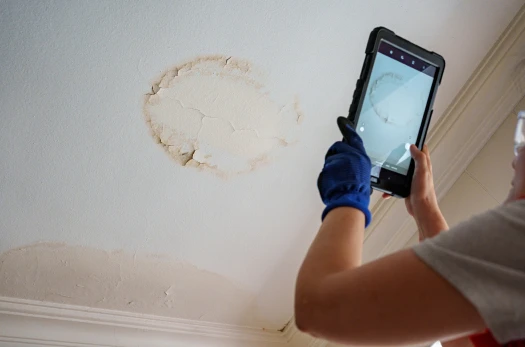
Our certified professionals conduct a thorough visual assessment of all target areas, focusing on walls, ceilings, basements, and previous leak zones. We pair this with digital moisture mapping, utilizing thermal imaging cameras and calibrated meters to locate hidden moisture trapped inside structural materials. Because moisture often travels through shared walls in closely spaced Queens properties, thermal imaging is the only way to pinpoint the exact extent of dampness.

Air Sampling & Indoor Air Quality Testing
We collect air samples from both the affected zones and unaffected control areas for comparison. These samples are sent directly to an accredited laboratory to determine the exact concentration and species of mold spores present. Quantifying indoor air quality is vital in older Queens buildings with inadequate ventilation, where airborne spores may often accumulate to hazardous levels long before visible growth appears on surfaces.

Surface Sampling & Clear Reporting
If we see any visible signs of mold, we’ll take a sample and send it to a lab to find out the mold type and how much there is. After getting the results, we’ll give you a full report that explains the moisture levels, what the lab found, and the source of the problem. If remediation is needed, we’ll tell you exactly what to do. If your property is all clear, we’ll give you a document to prove it.
Mold Inspection in Queens

Astoria
Astoria Heights
Ditmars Steinway
Steinway
Long Island City
Hunters Point
Dutch Kills
Blissville
Queensbridge
Ravenswood
Sunnyside
Woodside
Maspeth
Ridgewood
Glendale
Middle Village
Fresh Pond
Elmhurst
Jackson Heights
Corona
North Corona
LeFrak City
East Elmhurst
Rego Park
Forest Hills
Forest Hills Gardens
Kew Gardens
Kew Gardens Hills
Richmond Hill
South Richmond Hill
Woodhaven
Ozone Park
South Ozone Park
Tudor Village
Howard Beach
Hamilton Beach
Lindenwood
Old Howard Beach
Rockwood Park
Flushing
Downtown Flushing
Murray Hill
Broadway-Flushing
Linden Hill
Queensboro Hill
Pomonok
Electchester
College Point
Malba
Whitestone
Beechhurst
Bay Terrace
Clearview
Auburndale
Bayside
Bayside Hills
Oakland Gardens
Hollis Hills
Douglaston
Little Neck
Fresh Meadows
Utopia
Jamaica
Jamaica Estates
Jamaica Hills
Holliswood
Hollis Hills
Briarwood
South Jamaica
Hollis
St. Albans
Cambria Heights
Queens Village
Bellaire
Bellerose
Floral Park
Glen Oaks
New Hyde Park
Springfield Gardens
Rochdale Village
Laurelton
Rosedale
Brookville
Meadowmere
Far Rockaway
Bayswater
Edgemere
Arverne
Rockaway Beach
Rockaway Park
Belle Harbor
Neponsit
Breezy Point
Roxbury
Broad Channel
Mold Testing Services
for All Queens Property Types
Our certified teams deploy tailored environmental diagnostics across all Queens property
types to ensure your space remains safe and code-compliant.

Residential Homes & Apartments

Co-ops & Multifamily Buildings

Commercial Properties
Why Independent Mold Testing Matters
Remediation companies that conduct their own inspections face an inherent conflict of interest. At Dry Ease, our assessments are completely independent of any remediation work. With zero financial incentive to overstate a problem, our findings reflect objective reality rather than a sales agenda, delivering the honest accuracy that Queens homeowners, co-op boards, and businesses deserve.
When to Schedule an Independent Mold Inspection
Don’t Just Take Our Word for It
With years of Tri-State experience, we have seen every type of mold issue imaginable across Brooklyn, Staten Island, Long Island, and the greater NY area. We have built our business on honesty, deep local expertise, and a commitment to our neighbors’ health.
But you don’t have to take our word for it. We are incredibly proud of our reviews from homeowners and property managers who trusted us with their homes.
“This mold removal company found my water immediately and I was on my way to solving this puzzle in my kitchen ceiling that persisted for over a year. I had a smell that I could understand and with moisture meters and testers, Dry Ease found the leak and removed the black mold in my kitchen chute.”
Riley Rivera
“Dry Ease helped wonderfully to complete a full mold removal in my apartment. Highly recommended. They were fast and professional.”
Carlos Monzon
Why Choose Dry Ease for
Mold Inspection in Queens?
When dealing with hidden environmental hazards, you need an assessment team you can rely on completely.
With Dry Ease, you benefit from:

Frequently Asked Questions
An inspection is a physical property assessment to map moisture and locate visible or suspected growth. Testing is the laboratory analysis of air and surface samples to verify the exact spore species and concentration. A complete diagnostic evaluation requires both: the physical assessment, which dictates where to test, and the lab results, which prove what is present.
Yes. And in densely packed Queens properties, hidden mold growth is incredibly common. Spores thrive inside wall cavities, beneath flooring, and within ventilation systems. If you notice a persistent musty odor, recurring humidity, or unexplained allergy symptoms, professional air sampling and thermal imaging are the only reliable ways to uncover the threat.
Yes, always. Skipping a certified mold inspection means you are treating an unknown scope without addressing the root moisture source or identifying the specific species. An independent assessment guarantees your remediation project targets the full extent of the contamination, saving you from incomplete repairs and recurring growth.
Let’s Inspect Your Mold Problem Today
Don’t let mold threaten your property value or your family’s health for one more day. Join the hundreds of Queens residents who have trusted us to assess their homes.
Need Immediate Dispatch?
Certified. Safe. Reliable.